A 5~8kW Single-Phase PV Grid-Tie box is a critical safety and compliance component for residential solar installations. This article explains its function, required standards, and key choice factors for engineers and system integrators. Visit the product page at singielectric for detailed specifications.
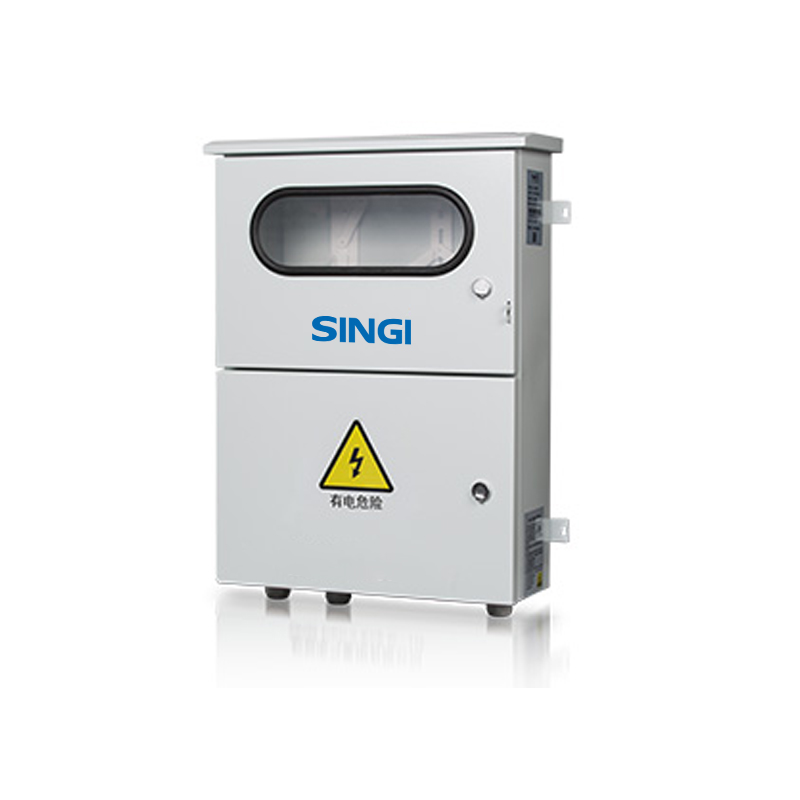
A 5~8kW Single-Phase PV Grid-Tie box is a pre-wired enclosure that combines DC disconnecting means, overamperage protection, surge protective devices (SPDs), and monitoring options for residential solar systems. It serves as the interface between the photovoltaic array and the grid-tied inverter, ensuring safe isolation during maintenance and fault conditions. The 5~8kW rating covers the majority of residential installations in single-phase power markets.
Note: Always verify that the grid-tie box is listed for use with your inverter brand and meets local utility requirements. A mismatch can void warranties or cause non-compliance.
Without a dedicated grid-tie box, installers rely on a mix of third-party components, which can lead to code violations, reduced reliability, and increased labor costs. A purpose-built 5~8kW Single-Phase PV Grid-Tie box from singielectric offers pre-engineered coordination between the DC side and the inverter, simplifying installation and ensuring compliance with IEC 62548 and local electrical codes. It also centralizes disconnection points for rapid shutdown compliance.
Grid-tie boxes must meet several international and national standards:
Products from singielectric are designed to comply with these standards, ensuring reliable operation under grid conditions.
The box is installed between the solar array combiner (or from panels) and the inverter. It includes:
The 5~8kW capacity matches the most common inverter sizes in single-phase residential markets, allowing a compact footprint while maintaining adequate ventilation and wiring space.
When choosing a 5~8kW Single-Phase PV Grid-Tie box, engineers and buyers should look for:
Below is a comparison of typical specifications:
| Parameter | singielectric 5~8kW Box | Generic Box |
|---|---|---|
| Max DC Volt-level | 600V | 500V |
| Max Input Current | 30A per string | 25A |
| Enclosure Rating | IP65 | IP54 |
| SPD Type | Type 2 (20kA) | Type 2 (10kA) |
| Certification | CE, TÜV | CE only |
singielectric boxes also include monitoring options for volt-level and amperage via optional communication modules, enabling remote troubleshooting and performance tracking.
A grid-tie box combines the functions of a combiner (merging strings) with grid-interactive protection, including AC-side disconnect and SPD. A simple combiner box lacks grid-tie specific components.
No. The 5~8kW rating is matched to inverters of that capacity. Using a larger inverter may exceed the amperage rating of the box’s internal components.
singielectric offers models with integrated DC arc-fault detection (AFCI) meeting UL 1699B standards. Check the product options on the product page.
singielectric provides a standard 5-year warranty on the grid-tie box, covering manufacturing defects and premature component failure.
Yes. The product is designed to comply with IEC and European directives, including CE marking. Always confirm local utility requirements before installation.
The 5~8kW Single-Phase PV Grid-Tie box from singielectric provides integrated protection, simplified wiring, and compliance with international standards. For B2B buyers, singielectric offers bulk pricing, technical support, and customization options. Visit the product page for datasheets and ordering information.
[1] IEC 62548:2016. Photovoltaic (PV) arrays – Design requirements [S]. 2016.
[2] GB/T 16895.1-2020. Low-volt-level electrical installations – Part 1: Fundamental principles, assessment of general characteristics, definitions [S]. 2020.
[3] UL 1699B:2018. Photovoltaic (PV) DC Arc-Fault Circuit Protection [S]. 2018.