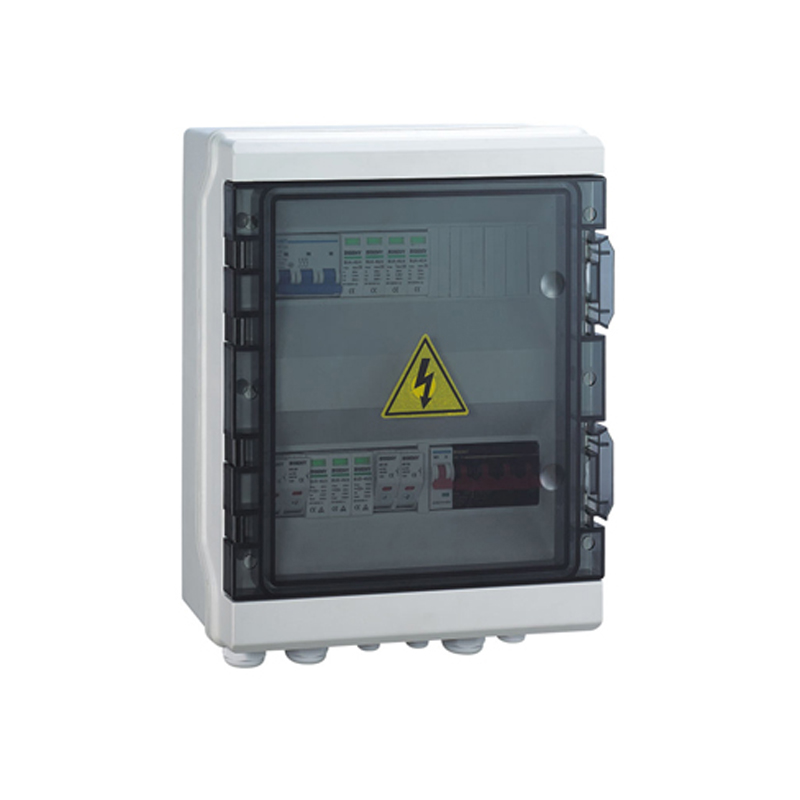
A commercial solar installer in the U.S. Found a simpler way to handle combined DC and AC circuits in storage-integrated PV projects. By switching to the singielectric YB4-2/1DA DC+AC combiner box (rated 1000V DC), the team reduced wiring time, cut material costs, and improved site safety.
The customer is a solar EPC contractor based in Austin, Texas, with a crew of 35 engineers and electricians. The company focuses on mid-sized commercial rooftop PV systems between 200 kW and 1 MW, paired with battery energy storage. Many of their clients ask for both grid-tied PV and AC-coupled storage, which means the site requires two separate power input paths. Until, each project was treated as a custom design exercise, leading to inconsistent wiring layouts and inefficient use of labor.
Before adopting the singielectric YB4-2/1DA, the contractor installed a dedicated DC combiner box for the PV strings and a second AC junction box for the inverter output to the main distribution panel. On a typical 500 kW project, this meant pulling two long conduit runs across the rooftop, terminating cables in separate enclosures, and coordinating two electricians to test each circuit independently.
The problems were obvious:
These issues added roughly 6 to 8 hours of direct labor per site and created hidden costs in rework and panel inspections. The contractor also saw an uptick in thermal imaging anomalies at AC terminations, which forced callbacks and damaged their reputation for quality.
The project engineering team assessed several alternatives, including adding a pre-wired AC sub-panel and trying to compress the DC and AC circuits into a single custom-made cabinet. Each of those options required sourcing parts from multiple vendors and still left the crew assembling the pieces in the field.
The deciding factor came when the lead engineer ran a side-by-side comparison of installation labor hours. The YB4-2/1DA from singielectric is a pre-integrated 2-in-1 combiner box with a rated DC input of up to 1000V and an AC circuit that matches the inverter output parameters. Because it ships as a single enclosure with busbars, fuse holders, and a verified wiring schematic, the crew can connect both DC strings and the AC path without building a junction box from scratch.
Another key reason was the box's compliance with common PV system design standards. The YB4-2/1DA supports proper overamperage protection and surge protection arrangements, which helped the EPC pass inspection with fewer correction notices.
The first rollout took place on a 420 kW rooftop project at a logistic center in San Antonio. The project used four YB4-2/1DA boxes, one for every 105 kW section of the array.
One difficulty appeared during the first morning: the specified AC lug spacing was slightly different from the inverter's factory terminal block. The crew solved it by using a short flexible jumper kit approved for the inverter model, which added 15 minutes but avoided any code conflict.
The change produced measurable improvements across the three projects completed in the following quarter:
The contractor also reported that their crews could now finish a 400 kW installation in four days instead of six, which allowed them to schedule more projects without hiring extra electricians.
“We were skeptical that a single box could handle both DC and AC cleanly, but the YB4-2/1DA made our field wiring simpler,” said the project manager. “The crew stopped guessing which conductor goes where. The inspection went through with no red flags, and our customer noticed the difference in how organized the electrical room looked.”
For other solar EPCs and system integrators, the project offers several takeaways:
If the company were to run the project again, they would order the optional pre-wired AC disconnect to match the inverter's terminal configuration. This would have removed the jumper issue completely. Still, the YB4-2/1DA gave the EPC a reliable, repeatable solution that improved their bottom line without sacrificing safety.