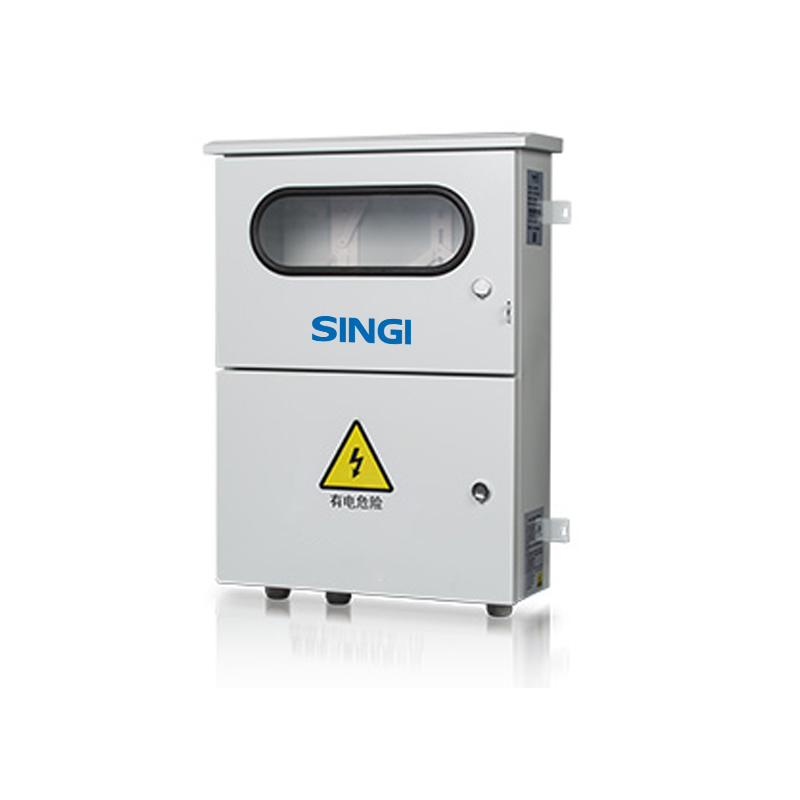
A solar engineering, procurement, and construction contractor based in Southeast Asia runs 35 employees across four installation crews. The business focuses on residential and small commercial rooftops between 4 kW and 10 kW, all of them connected to a single-phase 230 V grid. Volume for the previous 12 months reached 240 systems, averaging 5.8 kW each.
Market pressure shaped every decision. Installed price per watt in the region dropped 19% over three years while labor rates climbed 8% annually. Homeowners expected a four-week turnaround from signed contract to grid connection, and utility interconnection reviews had grown stricter documentation and protection coordination.
Each rooftop required four separate enclosures: a DC string combiner, a DC isolator box, an AC distribution board, and a generation meter housing. Crews cut, stripped, crimped, and torqued an average of 22 field terminations per job across two licensed electricians. The electrical portion alone consumed 6.5 hours on site, or 13 person-hours.
The consequences showed up in three places:
Every failure pushed the connection date, and every delay pushed the final payment.
The contractor compared three options: continue hand-building enclosures, buy a generic DC combiner and pair it with a separate AC board, or move to an integrated single-phase PV grid-tie box sized for 5-8 kW.
The integrated unit won on measurable differences than features. It ships pre-wired with fused DC string inputs, DC surge protection, a lockable DC isolator, AC output protection, residual amperage protection, and a metering position inside one IP65 enclosure. Field terminations drop from 22 to 9. Wiring arrangements follow IEC 62548 design practice for array isolation and overamperage protection, which simplified the utility documentation package.
Unit price was $290. Compared against $310 in loose components plus the labor to assemble them, the box paid for itself before a single panel was mounted.
Rollout took five and a half months in total:
The difficult part. One cluster of 7.8 kW systems used two strings on different roof orientations. Mismatched string amperage caused nuisance fuse operation over three weeks. The fix was recalculating string fuse ratings against the actual per-string amperage and issuing a revised mapping sheet so crews recorded orientation at survey stage. No fuse failures occurred after that change.
The schedule gain mattered as much as the cost reduction. Financing partners paid on energization, and three fewer days per system improved cash flow across a rolling pipeline of roughly 20 active jobs.
"We stopped building electrical panels on roofs," the installation manager said. "A two-man crew now finishes the DC and AC side in under four hours and leaves with a labeled, tested enclosure. The callbacks that used to eat our Saturdays have disappeared."
The operations lead added one caution: the box removes field work, not field discipline. String polarity still has to be checked before the inverter is switched on.
Looking back, the contractor would have started with two box variants instead of one. Systems above 7.5 kW with split orientations needed a faster fuse recalculation cycle, and having that configuration defined at the start would have avoided three weeks of nuisance trips.