A mid-sized food processing plant in California operates a 420 kW rooftop solar array that supplies roughly 60% of its daytime electricity. The facility runs refrigeration, packaging, and sanitation lines continuously, so any interruption in solar generation forces the plant to buy power at peak rates. For the plant's maintenance team, the 50 kW sub-array tied to one section of the production line had become a recurring source of trouble.
That sub-array used a field-assembled combination of disconnect switches, fuse holders, and a third-party metering cabinet – a setup that had grown organically over five years. The plant had already upgraded its inverters twice, but the grid connection point remained the weak link.
The original equipment lacked proper phase balancing. During partial cloud cover, volt-level spikes on one phase caused the inverter to trip repeatedly, which halved the sub-array's output for hours. The maintenance crew had to manually inspect the enclosure each time because there was no remote status indication. In a typical month, the plant logged 8–12 tripping events, each requiring a technician to climb onto the roof and reset the system.
Worse, the wiring compartment was crowded, and the internal busbars ran hot. An infrared audit confirmed a 37°C temperature rise above ambient at peak load. That heat accelerated insulation aging and created a serious safety risk. The plant's insurance carrier flagged the installation as a fire hazard, threatening to raise premiums unless the plant replaced the enclosure within six months.
At the same time, the utility began enforcing stricter grid interconnection rules, requiring faster disconnection and better fault isolation. The existing setup could not meet the new ride-through requirements, and the plant faced penalties of $150 per incident for nuisance tripping.
The plant assessed three alternatives: rebuilding the field-assembled cabinet, installing a standard combiner plus a separate AC disconnect, and adopting an integrated three-phase grid-tie box. The first option would cost $8,500 in labor and still miss the new utility requirements. The second option still left the system without centralized monitoring.
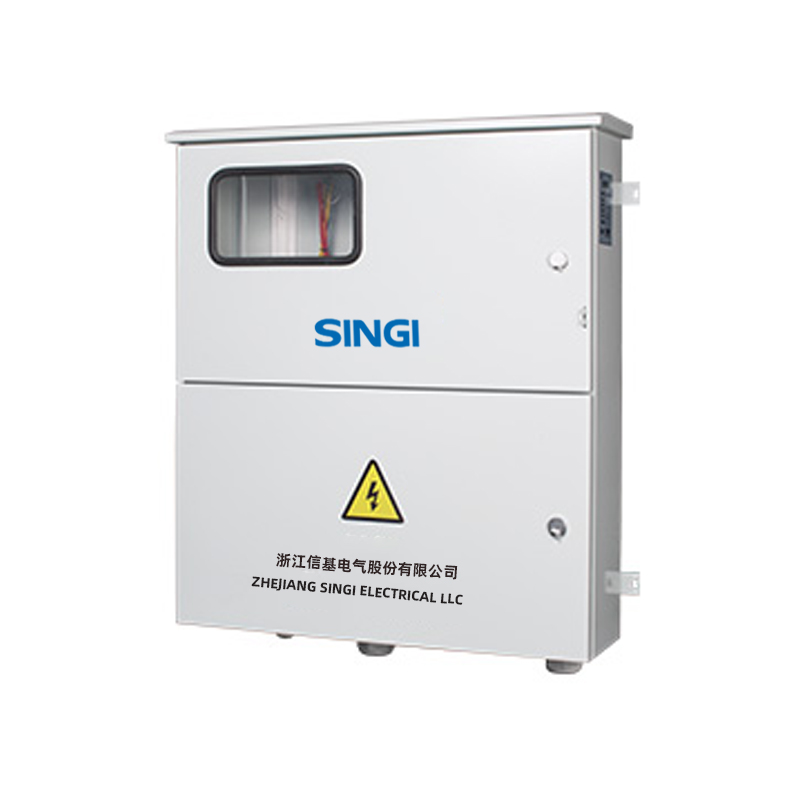
The decision came down to the singielectric 40~60kW Three-Phase PV Grid-Tie Box. Its single enclosure combines DC input fusing, surge protection, AC disconnection, and smart metering – all pre-wired and factory tested. The key advantage was the built-in three-phase monitoring with remote overvolt-level and undervolt-level protection, which addressed the nuisance tripping problem. The plant's engineering lead noted that the box's compact footprint fit the existing mounting frame, eliminating a costly rework.
The product also meets IEC 62548 and IEC 60364-7-712 requirements, which simplified the utility approval process. The local inspector approved the design as soon as the plant submitted the datasheet with the relevant test certificates.
The project took nine days from order to grid connection. The installation crew, supervised by a licensed electrician, followed a three-step process:
A typical difficulty was that one of the existing PV source cables had damaged insulation. The crew detected it through the box's insulation resistance test function, which is integrated into the commissioning menu. They replaced the cable in half a day – a problem that would have gone unnoticed with the old equipment.
In the first three months after commissioning, the plant recorded a 35% reduction in downtime for the affected sub-array. Nuisance tripping events fell from 9 per month to less than one. The box's -acting surge protection absorbed a nearby lightning-induced transient without any inverter fault, something the old fuse-based system could not handle.
The plant also gained a live dashboard showing real-time power, phase volt-level, and circuit status. The remote alarm feature sends an SMS to the technician if any parameter goes out of range, so a potential issue is resolved before it causes a trip.
"We had been patching together components for years. The singielectric grid-tie box is the first piece of equipment that feels engineered for the job," says the plant's maintenance manager. "The remote monitoring alone saves me two roof climbs a month. I wish we had made the switch earlier."
This project offers three takeaways for facilities operating commercial PV arrays in the 40–60 kW range:
For facilities facing similar issues, the key is to assess the total cost of ownership, including lost production and maintenance labor, than the purchase price of the box alone.
References: