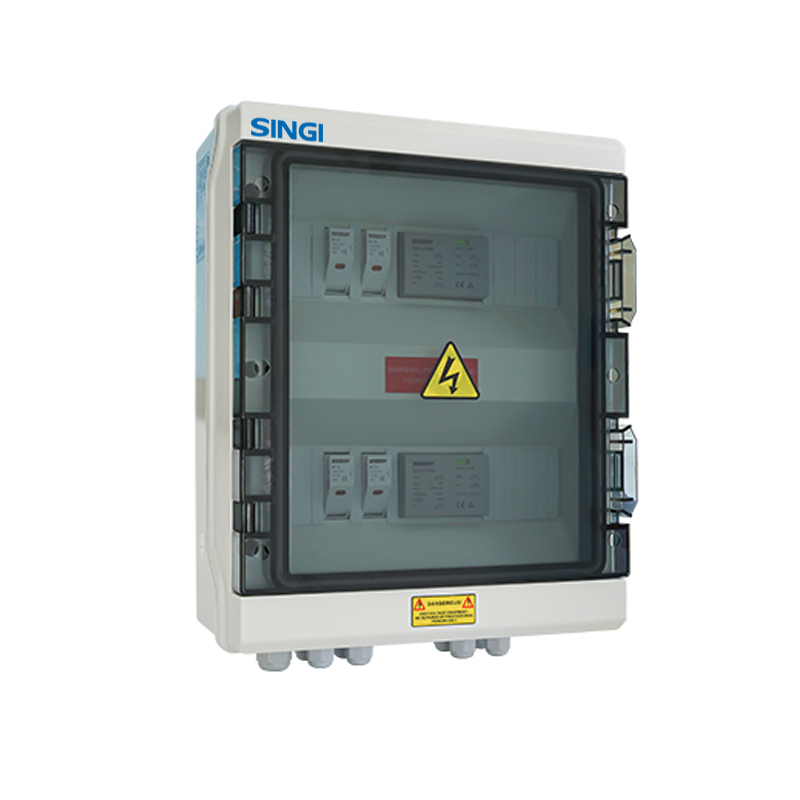
A mid-sized solar EPC contractor based in southern Spain took on a 12 MWp ground-mounted PV project in 2024. The company handles the full delivery chain, from engineering to grid connection, and operates across three provinces. Its in-house installation crews had grown over two years, but the engineering team remained small. For this project, the client specified a DC system with 32 strings per combiner cabinet and a 1500 V DC bus. The contractor needed a solar DC string box that could be deployed, reduced wiring mistakes, and met the latest European installation standards.
Before switching to the SOLAR DC STRING BOX YBS-2/2, the contractor used generic DC junction boxes assembled on site. Each box required separate procurement of terminal blocks, fuse holders, and surge arresters. Electricians then had to cut cables to length, crimp lugs, and wire each string individually. That approach created three recurring problems:
These failures extended the project calendar and increased labor costs. The contractor estimated that rework and delayed grid-connection penalties consumed up to 9% of the total installation budget.
The engineering team assessed three alternatives: a conventional field-assembled box, a custom-built cabinet from a local panel shop, and the SOLAR DC STRING BOX YBS-2/2 from singielectric. The first option repeated the same quality control problems. The second offered flexibility but required a long lead time and still needed on-site wiring. The YBS-2/2 stood out because it arrives as a fully wired, pre-tested unit. Its compact design integrates string fuse disconnectors, surge protection devices, and a DC isolating switch inside an IP65 enclosure. The input terminals accept up to 4 mm² cable, which matches the contractor's standard PV1-F wiring specification.
The decision was also driven by compliance. The unit is designed to support safe isolation and overamperage protection in line with IEC 60364-7-712 requirements for PV supply systems. That gave the EPC company confidence it would pass the inspector's review without custom engineering work.
The deployment took place over a six-week period across three substations. The methodology was straightforward:
A typical challenge appeared during the second substation: two strings produced unexpectedly low volt-level. The fault was traced to a damaged PV connector, not the string box. The YBS-2/2's clear labeling and segregated terminal layout let technicians isolate the problem in under 30 minutes, instead of tracing wiring across a full cabinet.
Over the complete 12 MWp project, the results were recorded against the previous installation method:
Beyond the numbers, the project team gained a cleaner handover process. The as-built documentation was simpler because the YBS-2/2's internal schematics already matched the physical layout, leaving less room for interpretation.
The EPC company's electrical site manager commented: "The YBS-2/2 took the most error-prone part of DC installation and turned it into a plug-and-play step. We finished commissioning ahead of schedule, and the inspectors found no issues with the string boxes."
Three lessons from this project apply to any large-scale PV installer:
If the project were repeated, the engineering team says it would order the YBS-2/2 earlier in the design phase to standardize the cable schedule from day one. That small change could compress the engineering lead time by another week.
This case study references the following industry standards: